When Retrospectives Actually Work — What I Learned from 2 Weeks in Japan
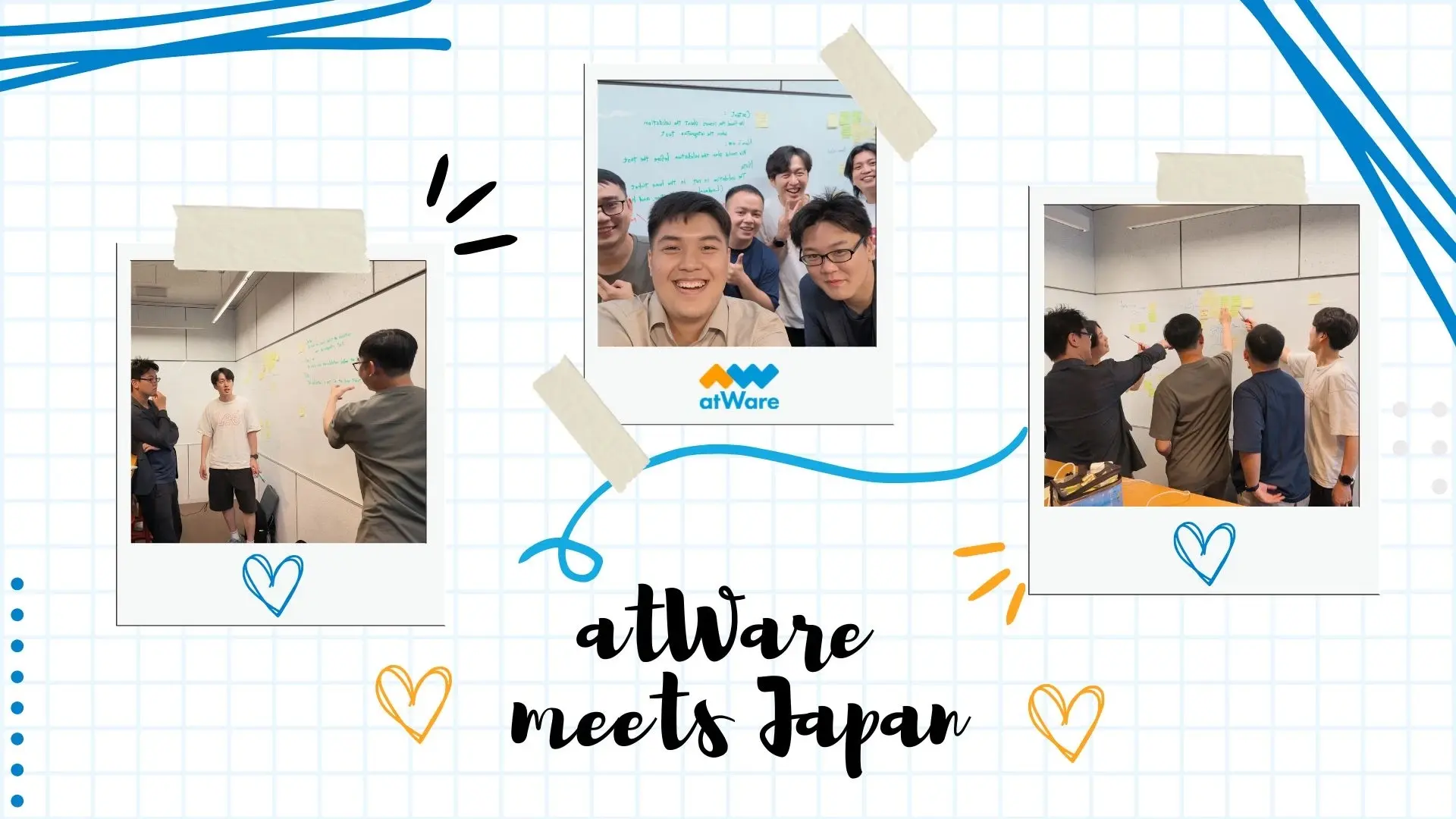
A team that was "running" — but not really alive
In April 2026, I joined a small project with an interesting setup: a 3-person development team — 2 Vietnamese developers and 1 Japanese developer — working in Agile.
The team had already been running for almost a year, with a Japanese Scrum Master, a Japanese Product Owner, and all the usual Scrum ceremonies in place. From the outside, everything looked fine.
However, after paying closer attention, I could see that things were quietly slipping.
The process wasn't tight. Delivery was slower than expected. Quality still had room to improve.
And most noticeably, the retrospectives weren't doing much.
People talked, but not really.
Issues were raised, but nobody seemed to feel ownership of them. There was no real connection, no real commitment. At the end of each retrospective, everyone went back to work and nothing really changed.
The team was running. But it wasn't truly improving.
The decision: fly to Japan for 2 weeks
Instead of introducing a new framework, changing the process, or experimenting with another retrospective format, I suggested something much simpler.
Let's work together in person.
Not because remote work doesn't work.
Not because online meetings are ineffective.
But because some things don't travel very well through a screen.
Fortunately, we had the opportunity to bring the team together in Japan for two weeks.
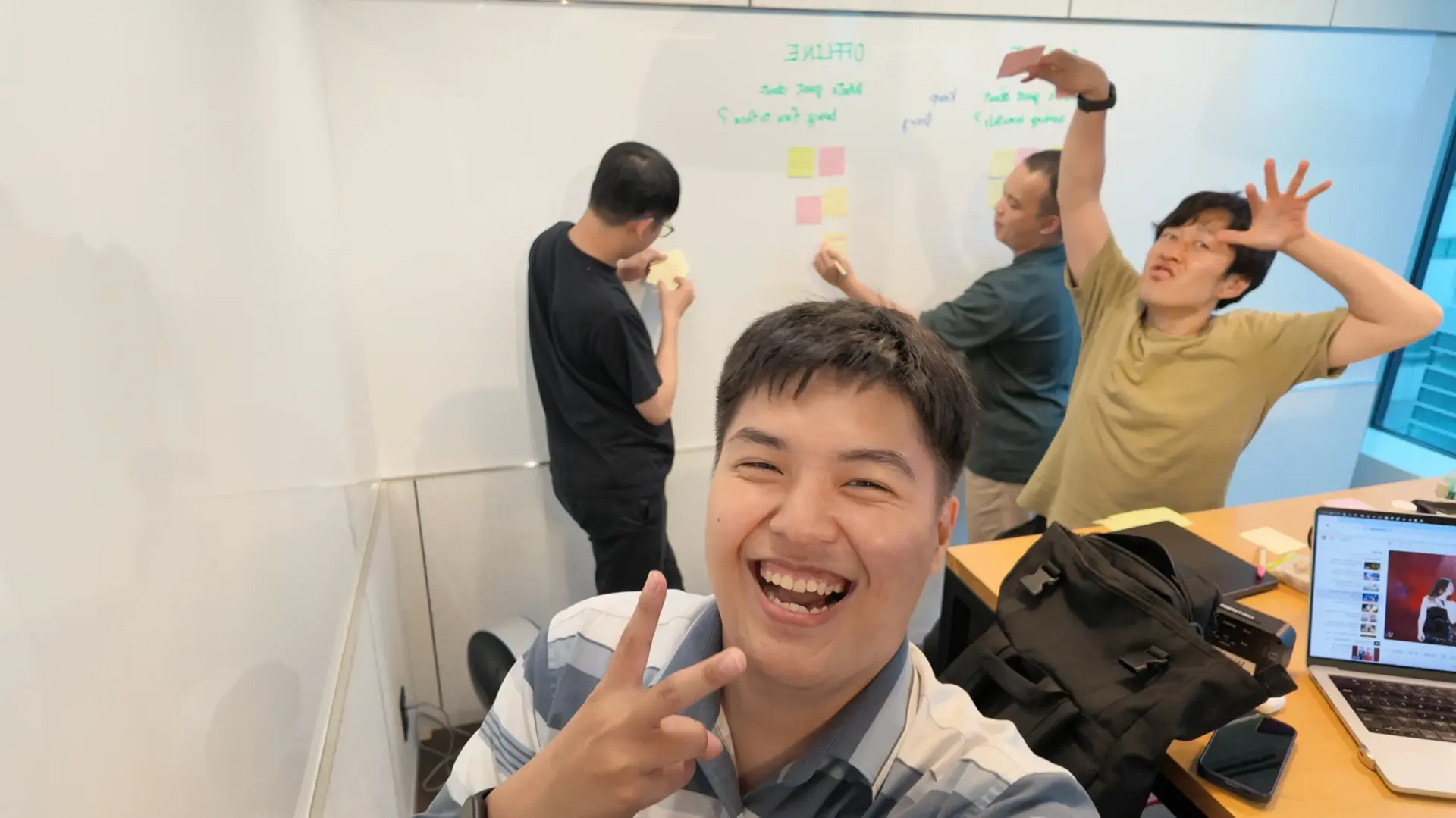
At the time, I didn't think it would make a huge difference.
I was wrong.
The first retrospective that actually felt real
During those two weeks in Japan, we held a retrospective together in person.
The difference was immediate.
Instead of looking at webcams, we were looking at each other.
Everyone wrote comments on sticky notes and placed them on the board.
No one was hiding behind a disabled camera.
No one was pretending to listen while secretly multitasking.
When someone shared a problem, everyone could see their expression.
A small sign of frustration.
A brief hesitation before speaking.
A nod of understanding from someone sitting across the table.
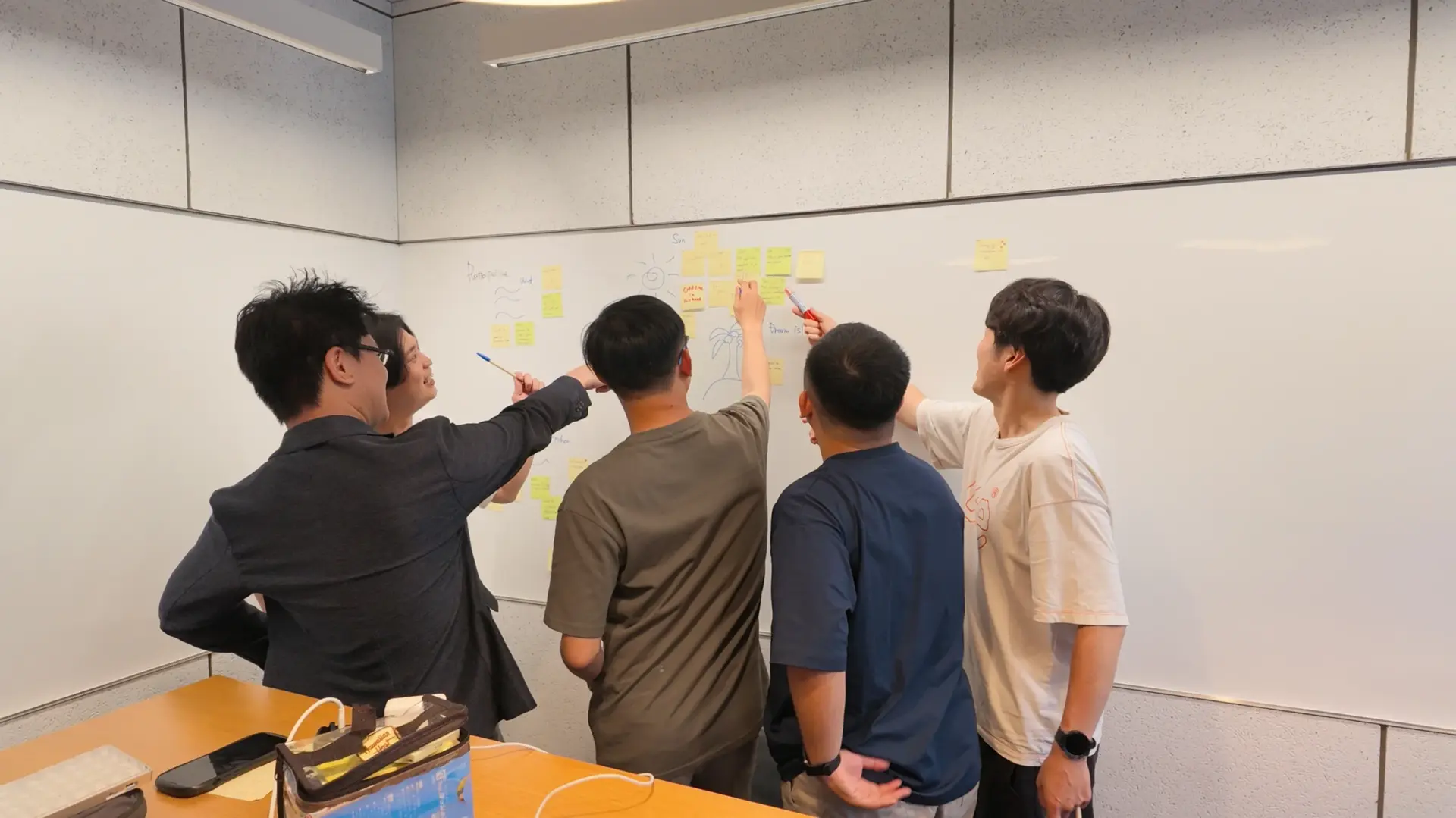
And something changed.
- Everyone was more focused.
- Conversations went deeper.
- Discussions moved beyond symptoms and into root causes.
- The solutions we came up with were more practical and actionable.
For the first time, it felt like the team was genuinely solving problems together rather than simply reporting them.
Why does face-to-face make such a big difference?
Looking back, I think it comes down to a few simple reasons.
1. Body language tells the truth
In a cross-cultural team like ours, communication isn't only about language.
We had Vietnamese and Japanese members working together. Even when everyone tried their best, some meaning was naturally lost through translation.
When you're in the same room, communication becomes much richer.
Eye contact.
Facial expressions.
Small gestures.
Moments of silence.
All of these help people understand each other beyond words.
A camera captures only a small fraction of that.
2. Physical presence creates accountability
When you're physically sitting next to your teammates, it's difficult to disengage.
You can't quietly scroll your phone.
You can't easily switch to another screen.
You can't fake attention.
Being physically present creates a healthy kind of social pressure that naturally increases focus and participation.
3. Trust is built outside the meeting
The retrospective wasn't the only thing that changed.
During those two weeks, we spent a lot of time together outside work.
We had lunch together.
We traveled together.
We talked about our lives, hobbies, and experiences.
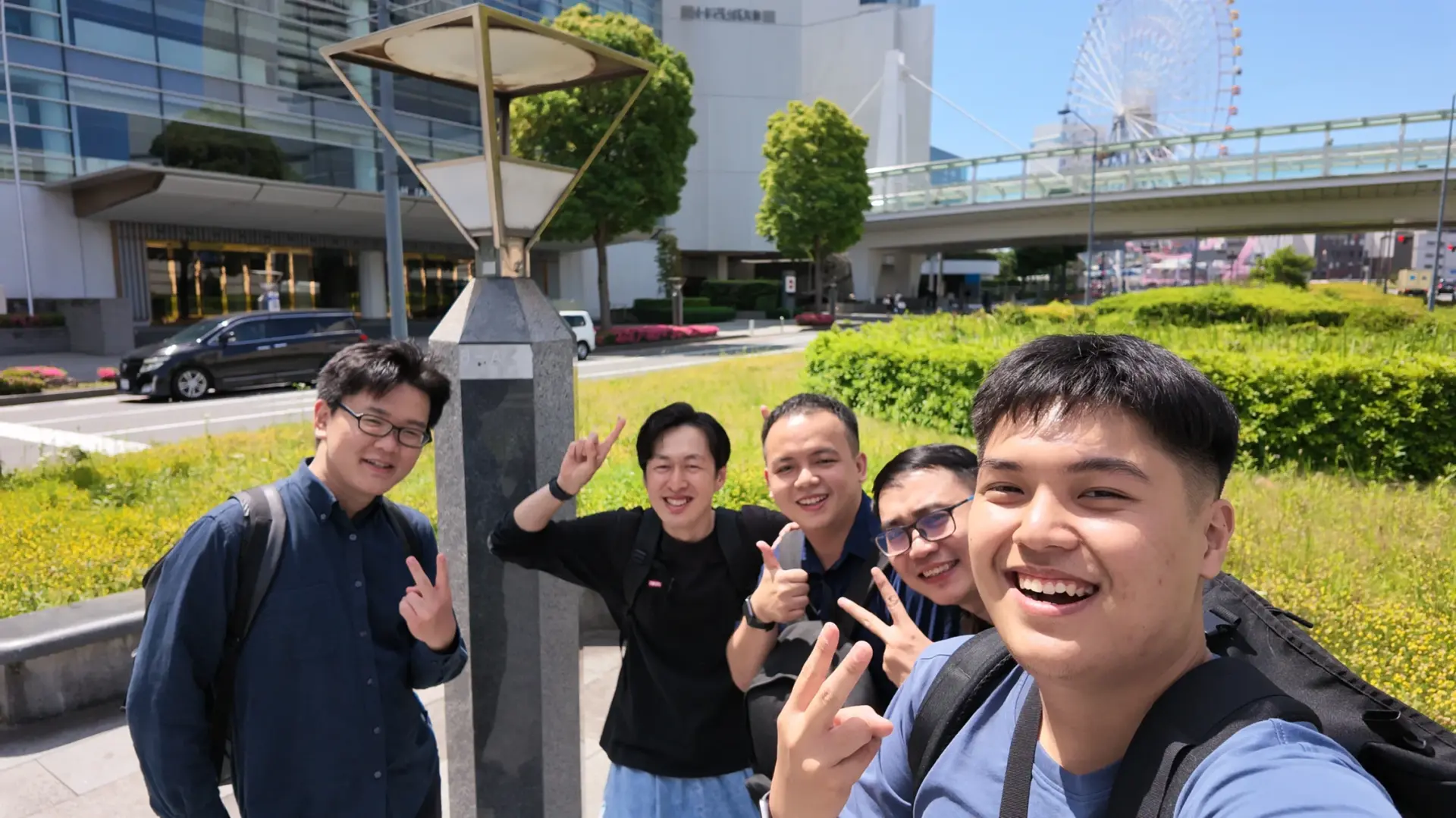
Those small moments created trust.
And that trust became the foundation that allowed people to speak honestly during retrospectives.
Agile is not a process — it's about people
This was probably the biggest lesson I brought home from Japan.
Retrospectives don't fail because teams don't know the format.
They don't fail because they're using the wrong tool.
They fail because people don't feel connected to one another.
Agile was created to help people collaborate.
Real collaboration requires trust.
Trust requires human connection.
And sometimes, human connection can only be built when people spend time together.
Not as roles. Not as resources. But as people.
Closing thought
I'm not saying remote teams can't run effective retrospectives.
Many teams do.
But if your retrospectives feel "fine" — nobody is frustrated, nobody is excited, and nothing changes afterward — then the problem might not be your process.
It might not be your tools.
It might not even be Agile.
Maybe your team simply needs a chance to connect in person.
For me, those two weeks in Japan were a reminder that software development is ultimately a human activity.
And sometimes, the most effective Agile improvement isn't a new framework.
It's a shared table.